 NY Daily Wire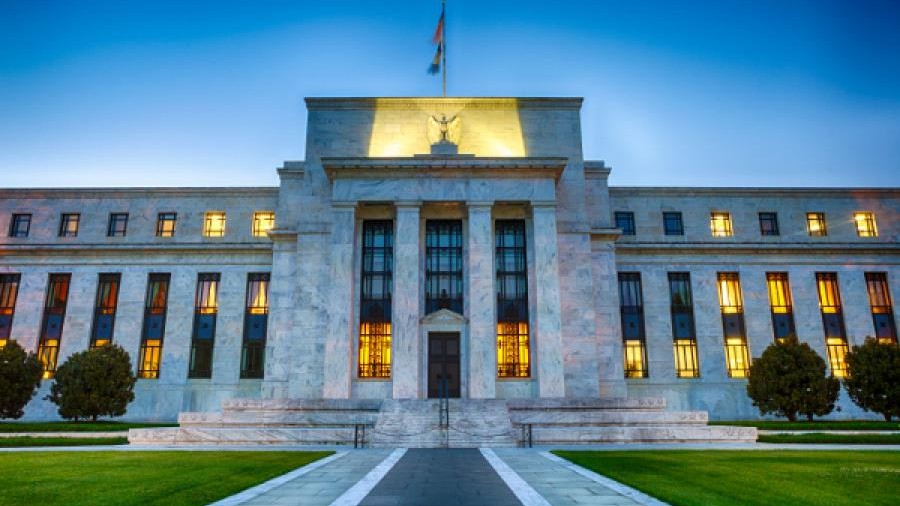
Home Energy Energy-General By Irina Slav - Sep 14, 2026, 6:00 PM CDT Surging oil and diesel prices are reviving inflation and recession fears, with U.S. diesel up roughly 60% since February and hitting a record $6 per gallon. Central banks are responding to the energy shock, with the ECB already hiking rates and markets pricing a high probability of another Fed increase. The supply crisis is worsening as the Middle East war expands, with Saudi Arabia’s East-West pipeline outage adding to lost Middle Eastern and Russian supply.
Crude oil prices have extended their earlier gains into this week, with little chance of reversing course as the war in the Middle East expands and desire for a peaceful resolution seems to wane, as global oil stocks continue shrinking. Inflation is creeping up. Recession fears are back.
It may just be a matter of time. Diesel prices in the United States have gained some 60% since late February, the Wall Street Journal reported at the end of last week. It was the same week when diesel prices hit an all-time high of $6 per gallon, sparking those recession fears.
The publication added, however, that there is little evidence of that fuel inflation spilling into the broader market, citing the 2.4% core inflation reading for August by the Labor Department. The thing about energy cost inflation and broader price trends is that the spillage takes place gradually. Businesses know better than to dump their extra energy costs on customers all at once.
However, over time they would be forced to do it in order to survive. It is difficult, if not outright impossible to absorb a 60% price rise in diesel fuel without spreading the misery around a bit. Central banks are watching closely.
The chances of the Federal Reserve hiking interest rates this week have risen considerably, according to The National, which reported some 90% of traders in a CME Group survey expect a 25 basis points hike. “People are finally waking up to the risk that the Iran war will be prolonged, and so relief is no longer in sight for energy prices,” MPA Macro economist Derek Tang said, as quoted by The National. The European Central Bank is also getting nervous, with the European Union a lot more vulnerable to all the adverse impacts of the Middle Eastern war than the United States due to its dependence on energy imports.
The bank of the eurozone announced a rate hike of 25 basis points last week, stating that “The conflict in the Middle East continues to generate inflation pressures, and inflation is set to remain well above target for an extended period.” The president of the ECB specifically mentioned crack spreads and the price of fuels, describing that segment of the economy as previously irrelevant but newly come to the spotlight. “If I had talked to you about refining margins six months ago, we wouldn’t have known what we are really talking about,” Christine Lagarde said last week, as quoted by Bloomberg. “Now, whether you call it the crack spread or the refining margin, on liquid fuel, now we all know what it’s about.” According to economists cited by the Wall Street Journal, there is still no reason to worry, with the publication noting how many companies hedge against higher oil prices by securing oil supply at a fixed price agreed in advance.
This, however, is only a temporary consolation: supply continues to shrink and hedging deals are not termless, so the next round of hedging will involve significantly higher prices—and these would need to be passed on to customers. “Energy inflation does not stay at the gas station,” economist Sung Won Sohn, president of SS Economics, wrote in a Substack post last week. “It travels by truck, airplane and cargo ship into nearly every store in America.” The economist added that “Businesses may initially absorb some of these increases, but if energy remains expensive, more of the cost will eventually be passed on to consumers.” The chances of avoiding this scenario are shrinking faster than oil stocks.
It bears repeating—the war between the United States and Israel against Iran has entered its seventh month and events are escalating rather than de-escalating. Neither side appears to be willing to compromise for peace. Instead, the conflict is broadening, with the Yemeni Houthis taking Saudi Arabia’s East-West pipeline out with a drone attack at the end of last week.
This is threatening up to 4% of global oil supply, according to a fresh Reuters report . That loss comes on top of earlier supply losses from the Middle East and Russia, especially in terms of fuels, and in fuels, especially in terms of diesel fuel. This further raises the risk of stronger inflation for longer, as we enter winter in the Northern Hemisphere—peak demand season for oil and diesel fuel.
There are no viable workarounds any longer. Whatever of these there were are being utilized, such as pipelines to destinations other than the Persian Gulf and stock draws. Yet those pipelines have limited capacity; one of the largest in the region has become the target of a successful attack, and stocks are down, in some places to dangerously low levels.
It seems the world is running out of options for dealing with the energy crisis it is facing. By Irina Slav for Oilprice.com More Top Reads From Oilprice.com Asian Refiners Seek Answers After Saudi Pipeline Shutdown Europe Gas Prices Jump 6% as Saudi Pipeline Shutdown Rattles Markets Chevron Expects LNG Prices To Remain High in the Short Term Download The Free Oilprice App Today Back to homepage Irina Slav What I Cover Irina Slav has been writing about global energy markets since 2007, covering the oil and gas industry, energy security, commodities, and the... More Info Leave a comment EXXON Mobil -0.35 Open 57.81 Trading Vol. 6.96M Previous Vol. 241.7B BUY 57.15 Sell 57.00